
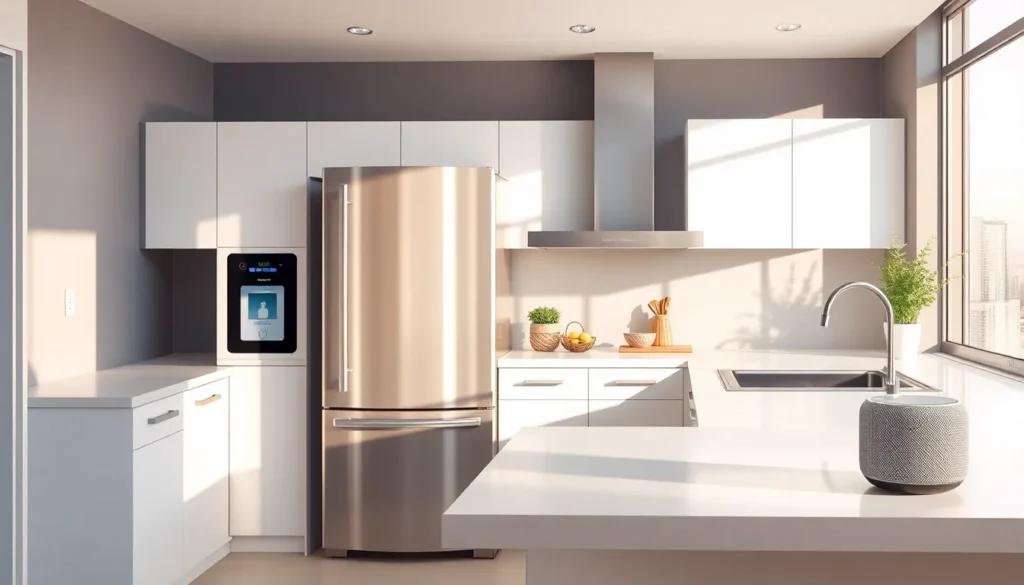
In a world where your toaster can chat with your refrigerator, connected devices have become the new norm. Imagine a life where your coffee maker knows exactly when you wake up and your thermostat adjusts itself to your preferred cozy temperature, all while you’re still dreaming about that perfect cup of joe. Sounds like the future, right? Well, welcome to the present!
Connected devices are transforming everyday life into a seamless blend of convenience and efficiency. From smart homes to wearable tech, these gadgets are not just cool toys; they’re essential tools that make life a whole lot easier. So buckle up as we dive into the fascinating realm of connected devices, where technology meets everyday living, and discover how they’re reshaping our world one smart gadget at a time.
Overview of Connected Devices
Connected devices refer to everyday objects equipped with internet connectivity, enabling them to communicate and share data. Examples include smart thermostats, wearable fitness trackers, and connected kitchen appliances, all contributing to a more integrated lifestyle.
Definition and Examples
Connected devices are objects that utilize the internet to interact with users and other devices. Smart speakers provide voice-activated assistance. Fitness wearables track health metrics in real-time. Also, smart home security cameras offer remote monitoring capabilities. Each example demonstrates how connectivity enhances user experiences across various settings.
Importance in Modern Life
Connected devices play a crucial role in enhancing efficiency and convenience. They enable streamlined routines, often automating mundane tasks. For instance, smart thermostats optimize energy consumption, significantly reducing costs. Health tracking devices encourage individuals to maintain wellness goals through real-time data feedback. In urban environments, connected appliances improve safety and communication, enriching daily life through technology integration.
Types of Connected Devices
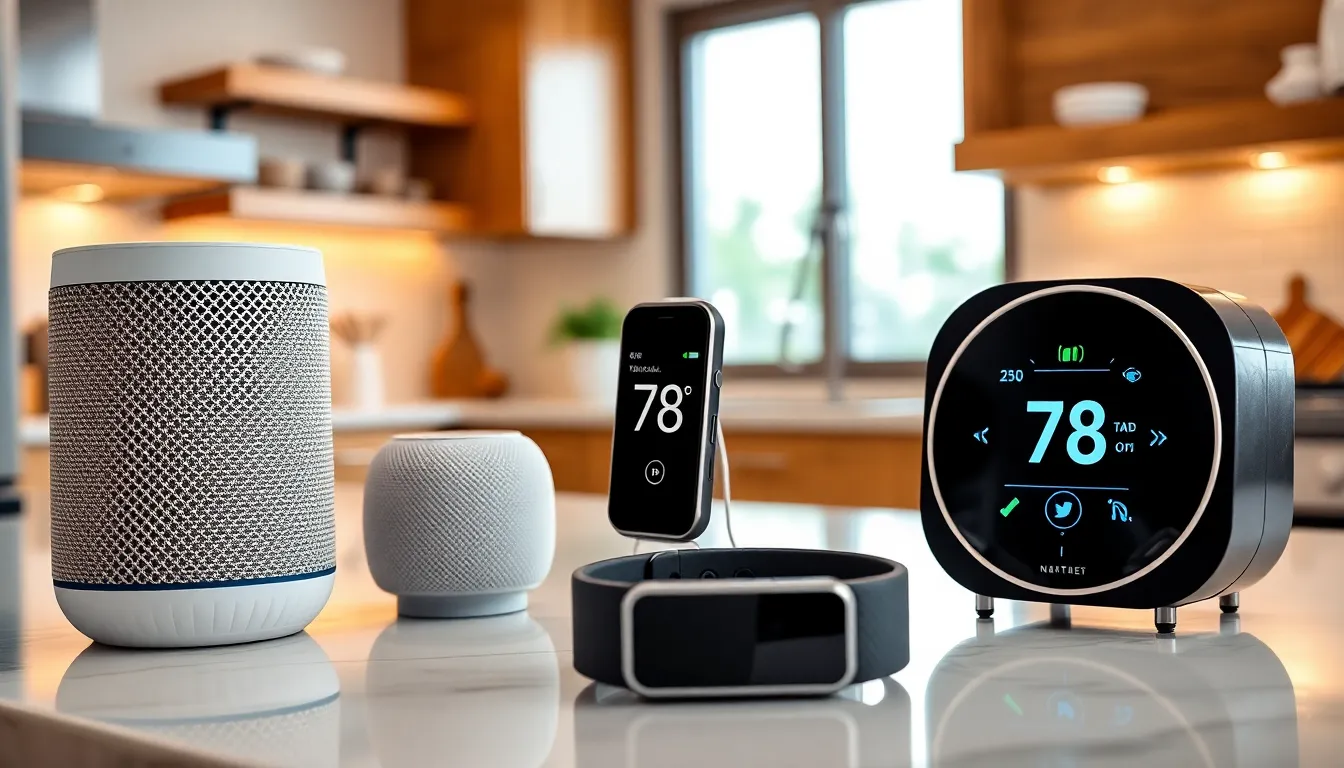
Connected devices fall into various categories, each offering distinct functionalities. Understanding these types enhances the appreciation of their roles in everyday life.
Smart Home Devices
Smart home devices include gadgets designed to enhance home automation. Examples are smart speakers, security cameras, and thermostats. These devices allow users to control various aspects of home life with voice commands or mobile apps. For instance, smart security cameras provide real-time alerts and video feeds, enhancing home security. Environmental improvements occur with smart thermostats optimizing energy use based on routines. These tools contribute to increased energy efficiency and improved safety for residents.
Wearable Technology
Wearable technology encompasses devices integrated into clothing or accessories. Fitness trackers, smartwatches, and health monitors exemplify this category. Wearable devices collect data on physical activity, heart rate, and sleep patterns, helping users achieve health goals. Real-time feedback encourages healthier lifestyles. Smartwatches facilitate communication via notifications and apps directly from the wrist. In this way, wearables promote a seamless integration of technology into daily activities while fostering personal wellness.
Connected Vehicles
Connected vehicles utilize internet connectivity for smarter transportation. Features include GPS navigation, vehicle diagnostics, and infotainment systems. These vehicles communicate with other devices, enhancing the driving experience and safety. Real-time traffic updates enable efficient route planning. Vehicle-to-vehicle communication allows for improved accident avoidance. Overall, connected vehicles not only promote convenience but also emphasize safety, transforming how individuals interact with transportation.
Benefits of Connected Devices
Connected devices offer numerous advantages that enhance daily life significantly. These benefits include convenience, improved communication, and increased security.
Convenience and Automation
Smart home technology simplifies users’ lives through automation and increased convenience. Users can control appliances like lights, thermostats, and locks from their smartphones. Smart refrigerators can track food inventory and suggest recipes based on available ingredients. Automated routines, such as turning off lights at bedtime, save energy and ensure efficiency. The ability to operate devices remotely allows users to manage their homes easily without requiring constant attention. Connected health devices alert users about fitness goals and automate tracking their activity levels, encouraging healthier routines.
Enhanced Communication
Connected devices improve communication by facilitating seamless interaction across various platforms. Smart speakers enable users to interact with virtual assistants for quick information access or music playback. Devices like smart video doorbells enhance home security while allowing homeowners to see and communicate with visitors remotely. This increases convenience and ensures users remain informed while away from home. Integration of smart devices in transportation offers real-time traffic updates and navigation, enhancing travel experiences for drivers. Effective communication between devices leads to a more synchronized and responsive environment.
Improved Security
Security has become paramount with the rise of connected devices. Smart security systems provide round-the-clock monitoring and alert users to unusual activities through mobile notifications. Smart locks eliminate the need for traditional keys, allowing remote access management. Enhanced surveillance options ensure real-time video monitoring of properties for added safety. Moreover, connected devices often integrate with neighborhood watch apps, fostering community safety through information sharing. Overall, technology increases users’ control over their spaces while providing essential peace of mind.
Challenges and Concerns
Connected devices introduce several significant challenges and concerns. Addressing these issues is critical for users and manufacturers alike.
Privacy Issues
Privacy issues arise as connected devices collect and share personal data. Many smart devices, like fitness trackers, store sensitive health information, raising concerns about who accesses this data. Users often lack control over how data is shared with third parties. Moreover, data breaches could expose private information, heightening risks for individuals. Maintaining user privacy necessitates stringent data protection measures from manufacturers.
Interoperability Challenges
Interoperability challenges complicate the seamless integration of various connected devices. Different manufacturers often use proprietary protocols, making it difficult for devices to communicate with each other. Users may find themselves locked into specific ecosystems, hindering their choices. Ensuring compatibility across devices simplifies user experience and enhances the overall value of connected technology. Promoting standardized protocols could effectively address these concerns, enabling smoother interactions.
Cybersecurity Risks
Cybersecurity risks represent a significant threat to the safe use of connected devices. Vulnerabilities in device software can lead to unauthorized access and control. Cybercriminals may exploit these weaknesses to breach personal data or compromise networks. Regular updates and strong security measures are essential for mitigating these risks. Manufacturers should prioritize cybersecurity in device development and educate users on best practices for enhancing their defense against threats.
Future Trends in Connected Devices
Connected devices continue to evolve, shaping how individuals interact with technology. Future advancements promise unprecedented integration and functionality within everyday life.
Emerging Technologies
Artificial intelligence plays a pivotal role in the next wave of connected devices. With AI, devices can learn user preferences, predicting needs and adjusting settings automatically. Edge computing enhances data processing capabilities, reducing latency and improving real-time interactions. Meanwhile, 5G networks enable faster connectivity, allowing seamless communication between devices. Additionally, advancements in battery technology extend the lifespan of connected gadgets, making them more reliable. Wearable health monitors that detect vital signs offer real-time insights, supporting proactive health management.
Predictions for Growth
Market research estimates that the number of connected devices will reach 75 billion by 2025. This growth signals a rising demand for smart home technology, which is expected to dominate the sector. The wearable technology market alone is projected to generate $60 billion in revenue by 2023. Connected vehicles also show robust growth potential, with advancements in autonomous driving technologies. Businesses are increasingly adopting Internet of Things solutions to streamline operations and enhance efficiency. Overall, the connected devices sector exhibits rapid expansion, indicating a strong trajectory for innovation and integration in daily life.
Connected devices are reshaping the landscape of everyday life. As they become more integrated into homes and daily routines, their influence continues to grow. These smart technologies not only enhance convenience but also promote efficiency and safety.
With the rapid advancements in technology, the future holds immense potential for innovation in this space. However, users must remain vigilant about privacy and security concerns. A balanced approach that embraces the benefits while addressing the challenges will be crucial for maximizing the advantages of connected devices.
As the sector evolves, staying informed about emerging trends and best practices will empower individuals to navigate this interconnected world confidently. The journey into a smarter future is just beginning, and the possibilities are endless.


