
Table of Contents
ToggleIn a world where keeping an eye on things is easier than ever, smart surveillance systems have stepped into the spotlight. These high-tech gadgets don’t just watch your home like a hawk; they analyze, learn, and even alert you when something seems off. Imagine having a digital watchdog that never sleeps and doesn’t bark at the mailman—sounds like a dream, right?
But it’s not just about avoiding that awkward moment when your neighbor catches you in your pajamas. Smart surveillance brings peace of mind, allowing you to monitor your space from anywhere. Whether you’re at work, on vacation, or just lounging on the couch, these systems keep you connected and informed. Dive into the world of smart surveillance, where technology meets security, and discover how it can transform your safety game.
Overview of Smart Surveillance
Smart surveillance systems represent a significant evolution in security technology. These systems integrate advanced features that not only monitor environments but also interpret behavior and respond to potential threats.
Definition and Key Features
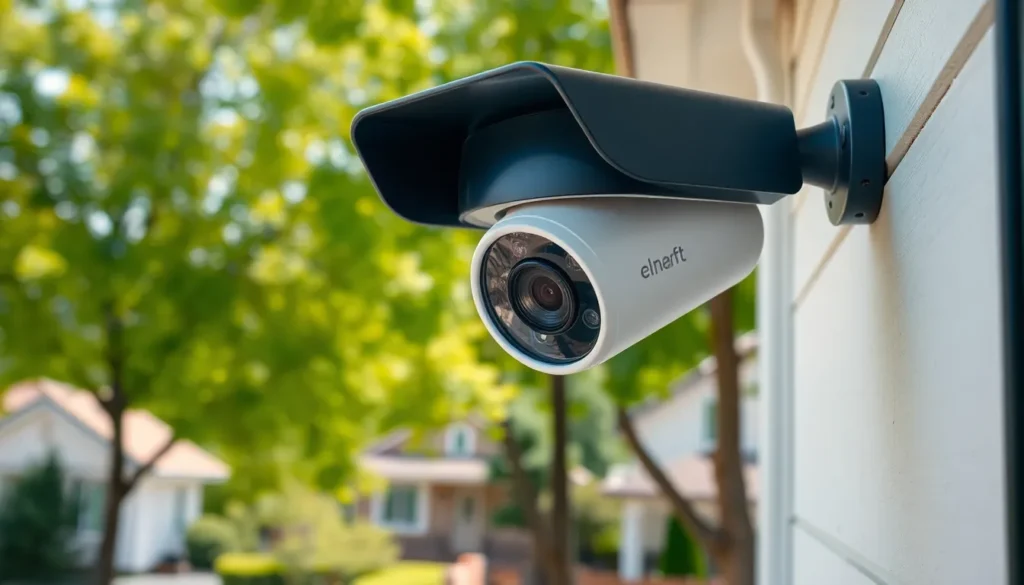
Smart surveillance utilizes cameras and sensors equipped with artificial intelligence. These devices often include features like motion detection, facial recognition, and real-time alerts. Users benefit from accessing video feeds and data analytics through mobile applications, making surveillance streamlining accessible anytime. Integration with smart home devices enhances functionality, allowing users to control systems centrally. Some systems even adapt and learn, improving detection accuracy over time.
Importance in Modern Society
Smart surveillance plays a crucial role in enhancing security in residential and commercial spaces. Its ability to provide real-time monitoring helps prevent criminal activities, which makes communities safer. Organizations leverage these systems for efficient security management, reducing response times during emergencies. Data collected by smart surveillance contributes to crime analysis, aiding law enforcement in understanding patterns. Increased safety and improved surveillance technology help foster a sense of security in daily life, encouraging people to engage freely in their environments.
Technology Behind Smart Surveillance
Smart surveillance leverages advanced technologies to enhance security and efficiency. By integrating cutting-edge components, these systems provide superior monitoring capabilities.
Artificial Intelligence and Machine Learning
Artificial intelligence empowers smart surveillance systems to analyze vast amounts of data. Machine learning algorithms identify patterns in behavior, allowing the system to distinguish between normal activities and potential threats. As these systems learn over time, they improve their accuracy and effectiveness. Users receive precise alerts about suspicious actions, fostering timely responses. Enhanced facial recognition technology enables identification and tracking of individuals. With AI at the helm, smart surveillance becomes increasingly adaptive to user needs and environmental changes.
Internet of Things (IoT) Integration
IoT integration connects various smart surveillance devices for seamless operation. Cameras, sensors, and alarms communicate with each other, creating a cohesive security network. This connectivity allows users to control their systems remotely through mobile applications. Data sharing across devices enhances the overall functionality and situational awareness. Real-time feeds and alerts can reach users instantly, ensuring immediate response capabilities. Such integration not only simplifies monitoring but also boosts the overall user experience and system reliability.
Applications of Smart Surveillance
Smart surveillance systems find application in various sectors, improving safety and efficiency. Their advanced features enhance both public safety and commercial monitoring.
Public Safety and Security
Public safety benefits significantly from smart surveillance systems. These technologies enable cities to monitor areas in real-time, helping law enforcement respond quickly to incidents. They support crime prevention initiatives by identifying suspicious behavior patterns. Additionally, integration with emergency services streamlines response efforts in emergencies. Alerts sent directly to law enforcement ensure timely interventions, reducing potential threats. Community engagement increases as neighborhoods feel safer with continuous monitoring, fostering overall public trust.
Business and Retail Monitoring
Businesses leverage smart surveillance to enhance security and operational efficiency. These systems provide valuable insights into customer behavior, enabling retailers to optimize layouts and inventory. Real-time monitoring aids in deterring theft and vandalism, increasing loss prevention. Video analytics contribute to understanding foot traffic patterns, boosting marketing strategies. Employees benefit from a safer workplace, and management can monitor staff performance through discreet oversight. Furthermore, businesses can react instantly to incidents, protecting assets and ensuring a secure environment for customers and employees alike.
Ethical Considerations in Smart Surveillance
Smart surveillance presents various ethical challenges that merit careful consideration.
Privacy Concerns
Privacy remains a significant issue with smart surveillance systems. Data collection processes can lead to unauthorized monitoring of individuals without their consent. Surveillance cameras may capture more than intended, including private moments. A recent study revealed that 70% of people worry about constant surveillance in public spaces. Additionally, unauthorized access to stored data can result in identity theft or misuse of personal information. Public trust gets eroded when individuals feel their privacy is compromised. Transparent data handling practices become essential to alleviate these concerns, promoting user awareness and control over their information.
Regulation and Compliance
Regulatory measures play a crucial role in governing smart surveillance technologies. Various jurisdictions implement laws to protect individual rights while balancing security needs. Compliance with regulations, such as the General Data Protection Regulation (GDPR), mandates organizations to clarify data usage and processing methods. Failure to comply can lead to significant fines and reputational damage. Moreover, creating guidelines for ethical AI use remains imperative as technology evolves. Engaging stakeholders in discussions around surveillance practices can foster a more responsible approach. Establishing clear policies ensures accountability and cultivates a safer environment for individuals while utilizing smart surveillance systems.
Future Trends in Smart Surveillance
Smart surveillance technology continues to evolve rapidly, driven by innovations and growing security demands. The future promises significant advancements that enhance user experience and safety.
Advancements in Technology
Artificial intelligence will play a central role in shaping smart surveillance systems. Enhanced algorithms will improve motion detection and reduce false alarms. High-definition cameras with advanced optical capabilities will provide clearer images, even in low light. Deep learning will allow systems to better recognize faces and behaviors, enhancing identification accuracy. Connectivity through IoT will enable seamless communication between devices, creating integrated security architectures. Data analytics will transform video feeds into actionable insights, empowering users to make informed decisions. With these evolving features, smart surveillance will respond to challenges more effectively.
Potential Challenges Ahead
Privacy concerns will persist as smart surveillance grows ubiquitous. Unauthorized surveillance and data misuse could erode public trust, leading to resistance against these technologies. Compliance with regulations like GDPR will demand ongoing attention. Organizations must prioritize transparency in data practices to alleviate fears surrounding information security. Tech advancements may also introduce vulnerabilities, making systems targets for cyberattacks. Additionally, users must balance security needs with ethical considerations to establish a responsible approach to monitoring. Addressing these challenges will determine the overall effectiveness and acceptance of smart surveillance systems.
Smart surveillance technology is reshaping how individuals and organizations approach security. Its ability to provide real-time monitoring and data analysis not only enhances safety but also fosters a sense of community trust. As advancements continue to emerge, the integration of AI and IoT will further improve the effectiveness of these systems.
While the benefits are significant, it’s crucial to address the ethical implications surrounding privacy and data handling. Striking a balance between security needs and individual rights is essential for the responsible deployment of smart surveillance. As users become more aware of these technologies, they can make informed choices that enhance their security while respecting personal privacy.


