
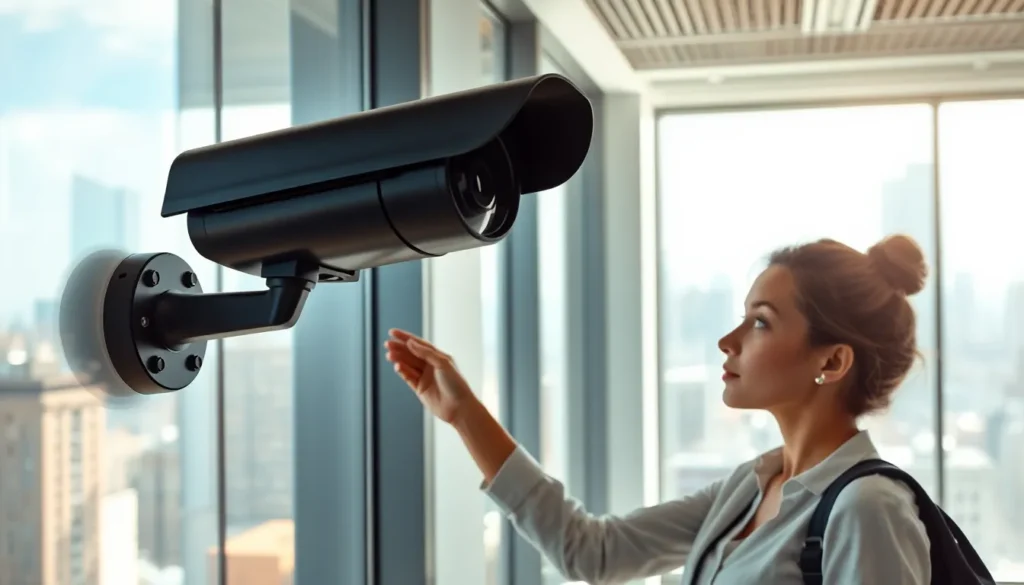
In today’s world, keeping an eye on things has never been easier—or smarter. Smart surveillance systems are like having a trusty sidekick that never blinks, always ready to catch the sneaky cat burglar or that neighbor who “borrows” tools without asking. With cutting-edge technology at their disposal, these systems not only watch over homes and businesses but also learn and adapt to their environments.
Imagine a security camera that can tell the difference between a raccoon rummaging through your trash and a potential intruder. It’s like having a high-tech guard dog without the barking or the need for treats. As crime rates fluctuate and safety concerns rise, smart surveillance offers peace of mind with a sprinkle of innovation. Dive into the fascinating world of smart surveillance and discover how it’s revolutionizing security for everyone.
Overview of Smart Surveillance
Smart surveillance systems utilize advanced technology to monitor environments effectively. These systems include features like high-definition cameras, motion detection, and artificial intelligence. Enhanced ability to distinguish between normal activity and suspicious behavior sets smart surveillance apart from traditional security measures.
Notably, smart surveillance supports remote access, enabling users to monitor properties in real-time via smartphones or computers. Cloud-based storage offers convenient access to recorded footage, lasting from days to several months. As crime rates increase, these systems present a proactive approach to security.
Many devices integrate seamlessly with existing home automation systems. Users can receive instant alerts for unusual activities, reducing the time it takes to respond to potential threats. Enhanced analytics capabilities help increase the accuracy of alerts, ensuring minor disturbances do not lead to unnecessary distractions.
Smart surveillance also adapts to various environments, including residential, commercial, and public spaces. In urban areas, these systems play a vital role in crime prevention and community safety. Engaging local law enforcement can optimize security strategies, fostering collaborations that enhance public safety measures.
The deployment of smart surveillance continues to rise, driven by affordability and accessibility. Industry estimates indicate a significant increase in smart camera installations in the coming years. With privacy concerns paramount, manufacturers prioritize data encryption and user control, addressing legitimate apprehensions.
Companies now offer tailored solutions that cater to specific security needs. Broad applications of smart surveillance extend to schools, hospitals, and retail locations, showcasing versatility across different sectors. By providing peace of mind, smart surveillance actively contributes to safer living and working environments.
Key Technologies in Smart Surveillance
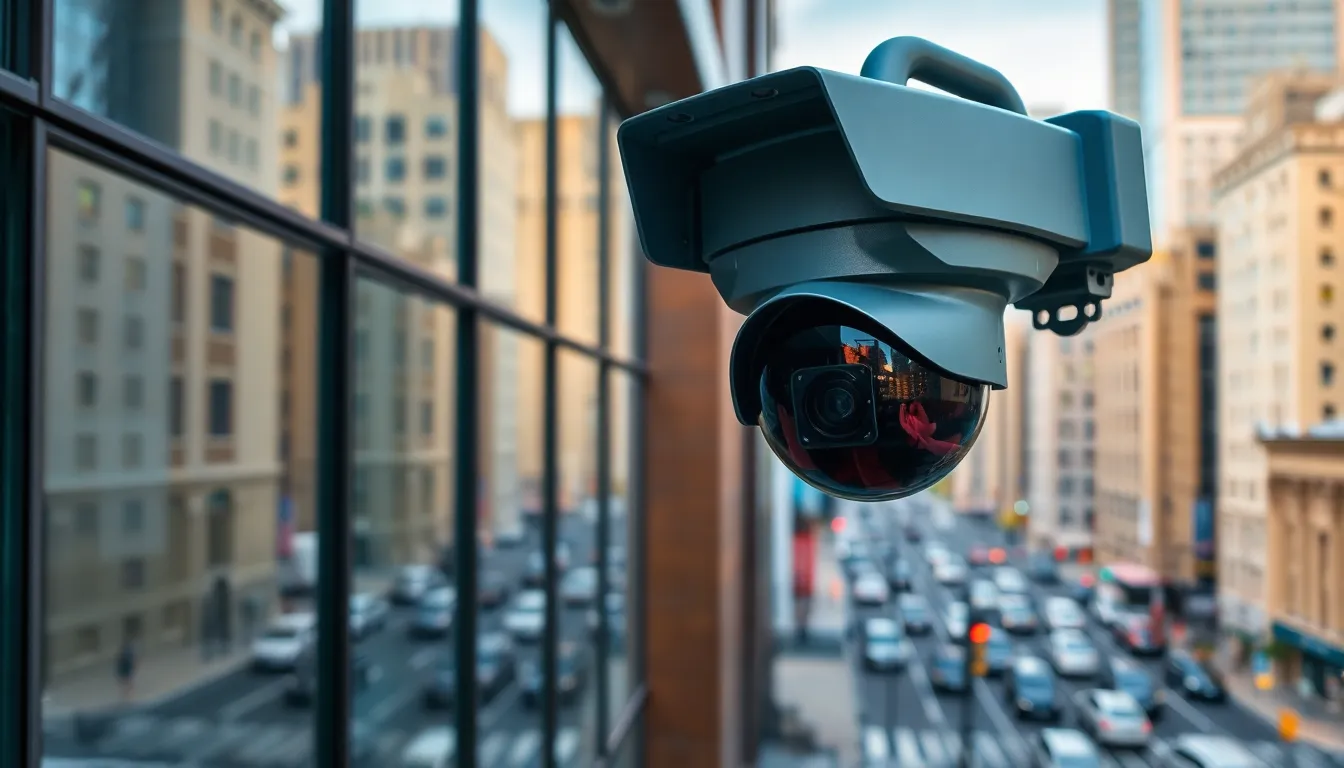
Smart surveillance relies on advanced technologies that enhance security and monitoring capabilities. Key innovations include artificial intelligence, machine learning, and Internet of Things (IoT) integration, all facilitating a more effective surveillance experience.
Artificial Intelligence and Machine Learning
Artificial intelligence revolutionizes smart surveillance by enabling systems to analyze vast amounts of data. Machine learning algorithms learn from patterns and adapt over time, improving threat detection accuracy. These technologies distinguish between normal and suspicious behavior, allowing rapid response to incidents. High-definition camera feeds analyzed by AI help identify potential threats in real-time. Enhanced situational awareness leads to a more proactive approach in security management.
Internet of Things (IoT) Integration
IoT integration connects various devices, enhancing the functionality of smart surveillance systems. Cameras, sensors, and alarms communicate seamlessly, creating a comprehensive security ecosystem. This connectivity enables remote monitoring and control, significantly increasing user convenience. Data collected from IoT devices informs better decision-making regarding security protocols. Furthermore, such integration streamlines alerts, ensuring timely responses to potential threats.
Benefits of Smart Surveillance
Smart surveillance provides numerous advantages that significantly enhance safety and efficiency in monitoring environments.
Enhanced Security
Enhanced security remains a primary benefit of smart surveillance systems. They utilize high-definition cameras and advanced motion detection technology, ensuring optimal coverage at all times. Instant alerts activate upon detecting unusual movement, allowing for quick responses to potential threats. These systems can differentiate between everyday activities and suspicious behavior, reducing false alarms. Integration of artificial intelligence further boosts security measures by learning from past incidents. Many users appreciate the peace of mind that comes from knowing their property is closely monitored and protected, providing an added layer of security for homes, businesses, and public areas.
Data Analysis for Decision Making
Data analysis allows smart surveillance systems to provide actionable insights for users. Advanced algorithms process vast amounts of recorded footage, identifying trends and patterns in activity. This capability aids decision-making by highlighting areas of concern or improvement. Users can access real-time video feeds and recorded data from their devices, enabling informed responses to security incidents. Machine learning tools continuously adapt to shifting environments, enhancing the accuracy of analyses over time. This feature empowers businesses to allocate resources effectively and better prepare for potential threats, ensuring safer environments for all.
Challenges and Concerns
Smart surveillance technology brings forth several challenges and concerns that warrant attention. Privacy issues rank high among these concerns, as continuous monitoring raises questions about individual rights. Users may experience discomfort knowing their activities could be captured and analyzed. Data storage practices also contribute to privacy dilemmas, as secure management of recorded footage is essential to prevent unauthorized access.
Ethical considerations play a crucial role in the conversation around smart surveillance. Surveillance technology can lead to potential misuse, including racial profiling or discrimination based on biased algorithms. Users, organizations, and governments must navigate these ethical concerns while implementing advanced surveillance solutions. Transparency and accountability in surveillance practices hold significant importance in maintaining public trust. Establishing clear guidelines can mitigate ethical issues, making it necessary for all stakeholders to prioritize responsible deployment of smart surveillance technologies.
Future Trends in Smart Surveillance
Smart surveillance continues to evolve, shaping the future of security technology. Upcoming trends reveal advancements that enhance monitoring capabilities and societal impact.
Advancements in Technology
Innovative features drive smart surveillance forward, particularly through AI and machine learning. These technologies improve data analysis, enabling systems to learn from patterns over time. Enhanced motion detection increases the system’s ability to differentiate between regular activity and potential threats. Integrating IoT expands its effectiveness by connecting various devices in a cohesive security network. High-definition cameras provide clearer images, allowing for better identification of individuals. Improved data encryption addresses privacy concerns, further encouraging user adoption. As manufacturers focus on affordability, sophisticated surveillance solutions become accessible to a broader audience.
Impact on Society
Societal safety stands to benefit significantly from advancements in smart surveillance. Communities experience reduced crime rates due to effective monitoring and rapid response times. Increased awareness of security issues among the public promotes a proactive approach to safety. Public spaces, schools, and businesses leverage smart surveillance to ensure safety for all. Continuous updates and transparent practices help foster trust among individuals. Ethical discussions surrounding potential biases drive the development of fair algorithms. Ultimately, these innovations lead to a safer, more connected society, transforming how individuals perceive and engage with security systems.
Smart surveillance is revolutionizing the way individuals and businesses approach security. With advanced technologies like AI and IoT integration, these systems offer unparalleled monitoring capabilities that enhance safety and peace of mind. The ability to differentiate between normal activity and potential threats empowers users to respond swiftly to incidents.
As the demand for effective security solutions grows, smart surveillance continues to adapt to various environments, proving its versatility across sectors. While challenges around privacy and ethical considerations remain, the ongoing advancements in this field promise a future where safety is prioritized without compromising individual rights. Embracing these innovations will undoubtedly lead to a more secure and connected society.


