
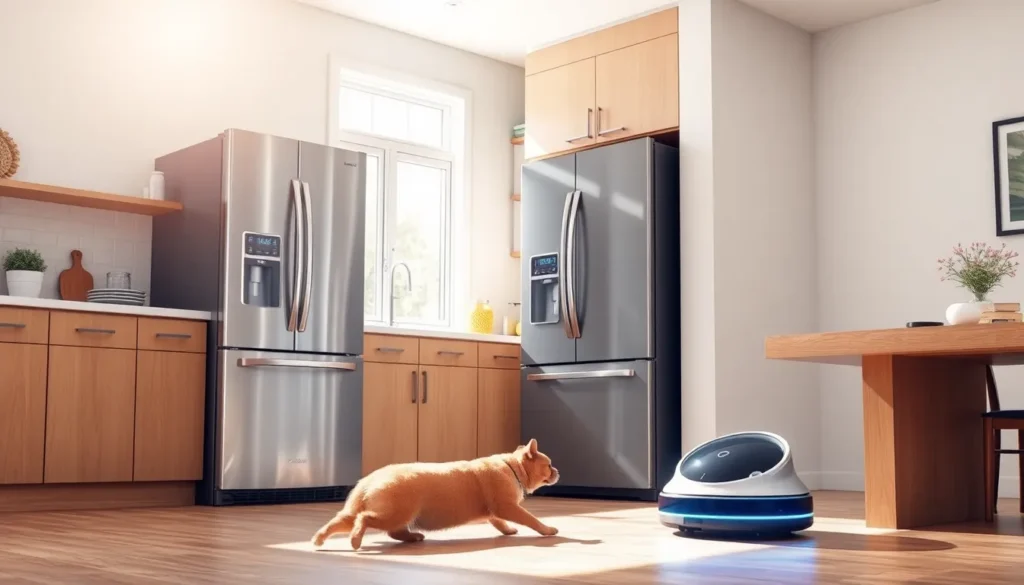
In a world where your toaster could soon argue with your coffee maker over who makes the best breakfast, smart technology is taking center stage. These developments are transforming everyday gadgets into intelligent companions that not only simplify tasks but also add a sprinkle of fun to daily life. Imagine a home where your fridge reminds you of that expired yogurt while your vacuum cleaner learns to dodge your cat’s latest hiding spot.
Overview of Smart Technology Developments
Smart technology continues to transform household gadgets into sophisticated tools. Innovations enhance user experiences while streamlining daily tasks. For example, smart refrigerators not only store food but also notify users about expiration dates and suggest recipes based on available ingredients.
Additionally, smart vacuum cleaners exhibit advanced navigation capabilities. These devices adjust cleaning patterns automatically, adapting to obstacles like furniture and pets. Enhanced features include voice control, enabling users to manage cleaning schedules effortlessly.
Connected devices contribute significantly to energy efficiency. Smart thermostats learn user preferences, optimizing heating and cooling to minimize energy consumption without sacrificing comfort. Similarly, smart lighting systems can be programmed to adjust based on time of day or occupancy, promoting sustainability.
Moreover, integration across platforms creates an interconnected ecosystem. Smart home assistants serve as central hubs for controlling various devices, offering seamless coordination. Users can issue voice commands to manage everything from security systems to entertainment.
Recent advancements in artificial intelligence bolster these technologies further. Machine learning algorithms enable devices to adapt over time, understanding user preferences and habits. This enhances the overall user experience and increases device functionality.
Emerging smart technologies also focus on health and wellness. Wearable devices track fitness metrics, providing users with insights into their physical condition. Home monitoring systems can alert users to potential health issues, fostering proactive care.
Recent developments in smart technology are reshaping how individuals interact with their environments. Enhanced functionality, increased energy efficiency, and advanced health monitoring collectively improve daily living standards.
Recent Innovations in Smart Technology
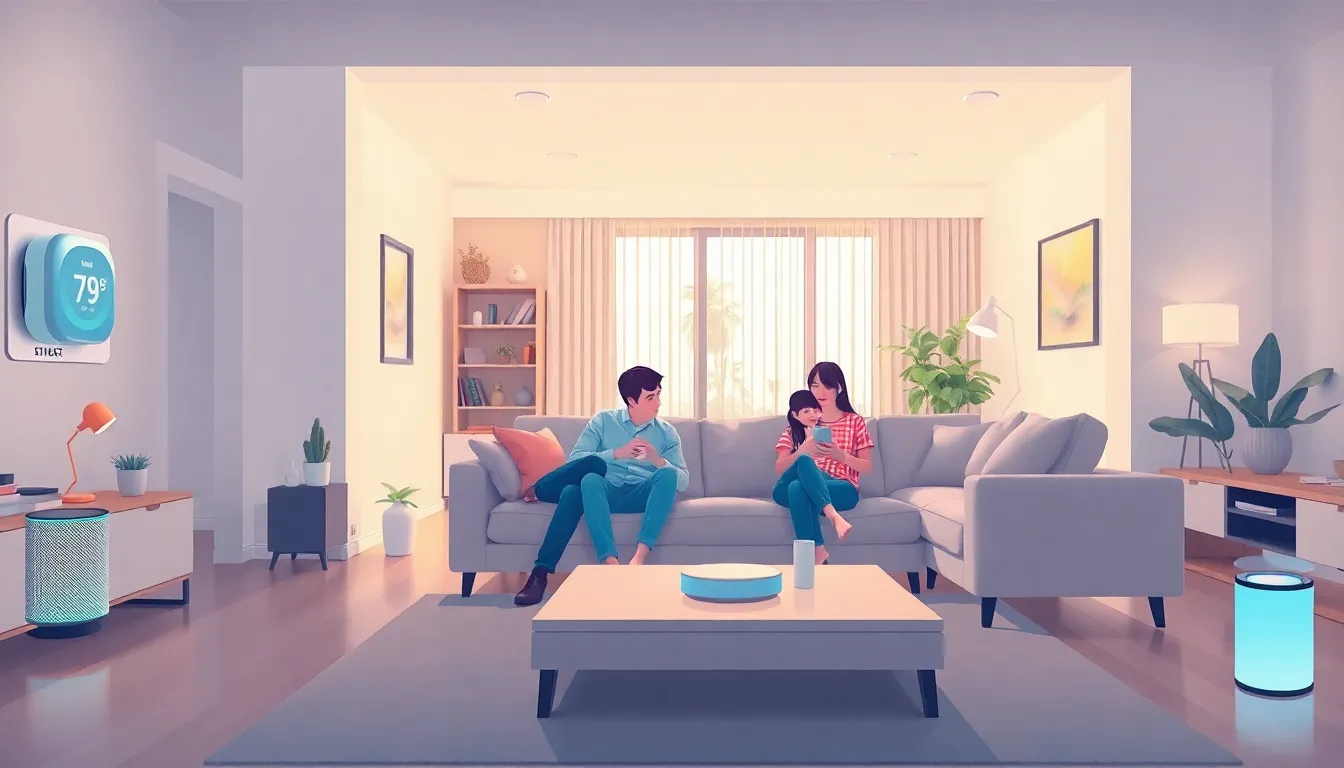
Recent advancements in smart technology continue to reshape daily life and enhance interactions with various devices. These innovations focus on artificial intelligence and the integration of the Internet of Things.
Artificial Intelligence Advancements
Artificial intelligence plays a critical role in the evolution of smart technology. Enhanced algorithms improve device responsiveness and functionality. For instance, smart home assistants now understand natural language better, enabling smoother communication. Machine learning features allow devices to learn user habits, tailoring experiences to individual preferences. A smart thermostat can anticipate temperature changes based on historical data, leading to increased energy savings. Other AI advancements include predictive analytics, which can identify potential failures in appliances, prompting preemptive maintenance alerts. These developments not only simplify tasks but also enhance overall user satisfaction.
Internet of Things (IoT) Integration
IoT integration enables seamless communication between devices, revolutionizing smart technology. Each connected device contributes to a more cohesive and efficient home ecosystem. Smart lighting, for example, adjusts automatically based on occupancy and user routines. Collaborative functionalities allow refrigerators to update grocery lists in real time while notifying devices about product expiry dates. Moreover, smart health devices synchronized with IoT platforms provide users with comprehensive insights into health metrics. As more devices join the IoT, the potential for improved energy efficiency and user convenience expands further, solidifying the value of integrated smart technology in everyday life.
Applications of Smart Technologies
Smart technologies find extensive applications in various sectors, improving efficiency and user experiences.
Smart Homes
Smart homes utilize interconnected devices to create an automated living environment. Smart thermostats learn user preferences, adjusting heating and cooling for optimal comfort. Lighting systems respond to occupancy, ensuring energy savings. Voice-activated assistants control devices, providing intuitive management options. Security systems enhance safety through remote monitoring and real-time alerts. Homeowners enjoy the convenience of appliances like refrigerators that track inventory and suggest recipes. These innovations transform everyday living into a streamlined and efficient experience.
Smart Cities
Smart cities leverage advanced technology to enhance urban living. Sensors across environments collect data on traffic patterns, air quality, and energy usage. Governments analyze this data to optimize public services and infrastructure. Smart streetlights automatically adjust brightness based on pedestrian presence, conserving energy. Waste management systems utilize sensors to optimize collection routes, increasing efficiency. Public transportation benefits from real-time tracking, helping commuters make informed travel decisions. These integrated solutions promote sustainable development while improving residents’ quality of life.
Challenges in Smart Technology Developments
Smart technology development faces several critical challenges. Ensuring robust security remains a primary concern. Many devices collect personal data, making them attractive targets for hackers. Vulnerabilities in systems potentially lead to unauthorized access, data breaches, and compromised user safety. It’s essential for manufacturers to implement strong encryption and regular software updates to mitigate risks.
Ethical considerations also play a significant role in smart technology. With the growing amount of data generated, privacy becomes a pressing issue. Companies must navigate user consent and data ownership carefully. Users expect transparency regarding how their information is used. Additionally, the potential for biased algorithms poses ethical dilemmas, as biased outcomes can impact decisions in areas like healthcare and job recruitment. Addressing these issues requires clear policies and a commitment to responsible AI practices.
Future Trends in Smart Technology
Emerging smart technology trends showcase a shift towards increased automation and connectivity. Innovations in artificial intelligence enhance device capabilities, enabling them to learn user preferences for improved interaction. Anticipate advancements in machine learning that allow smart devices to predict needs and optimize functions accordingly.
Wearable technology will integrate more deeply into daily life, continuously monitoring health metrics and encouraging proactive wellness. Devices like smartwatches and fitness trackers offer real-time data, making health management more personalized and efficient.
In the realm of smart homes, automation expands beyond simple tasks. Sophisticated systems create comprehensive security solutions, using monitoring technology to detect potential threats and respond to them instantaneously. Smart locks, cameras, and alarms offer users peace of mind through integrated security measures.
Anticipate growth in sustainable technology, with smart devices focused on energy efficiency and resource conservation. Smart thermostats and lighting systems adapt to usage patterns, promoting conscious energy use while reducing costs. Projects in smart cities leverage technology to better manage public resources, improving the quality of urban life.
Seamless interoperability among devices will shape user experiences. Unified platforms allow smart hubs to control multiple devices from various brands, ensuring compatibility and ease of use. Users will benefit from voice commands that streamline everyday activities across their interconnected ecosystem.
Challenges in privacy and security remain prominent as these technologies evolve. Increased connectivity amplifies concerns about data breaches, pressing developers to enhance protection measures. Ethical considerations regarding data ownership and algorithm bias will require transparent policies to build user trust.
Such trends indicate a future where smart technology not only simplifies tasks but also enriches lives through enhanced automation, improved security, and ethical awareness.
Smart technology is undeniably shaping the future of everyday life. As innovations continue to emerge, they enhance convenience and efficiency in homes and cities alike. The integration of artificial intelligence and the Internet of Things is paving the way for seamless experiences that adapt to individual needs.
While the benefits are significant, challenges around security and ethical considerations must be addressed. Companies are tasked with ensuring user data protection while maintaining transparency.
Looking forward, the potential for smart technology to enrich lives is immense. With ongoing advancements, users can expect a future filled with smarter solutions that promote sustainability, health, and overall well-being.


