
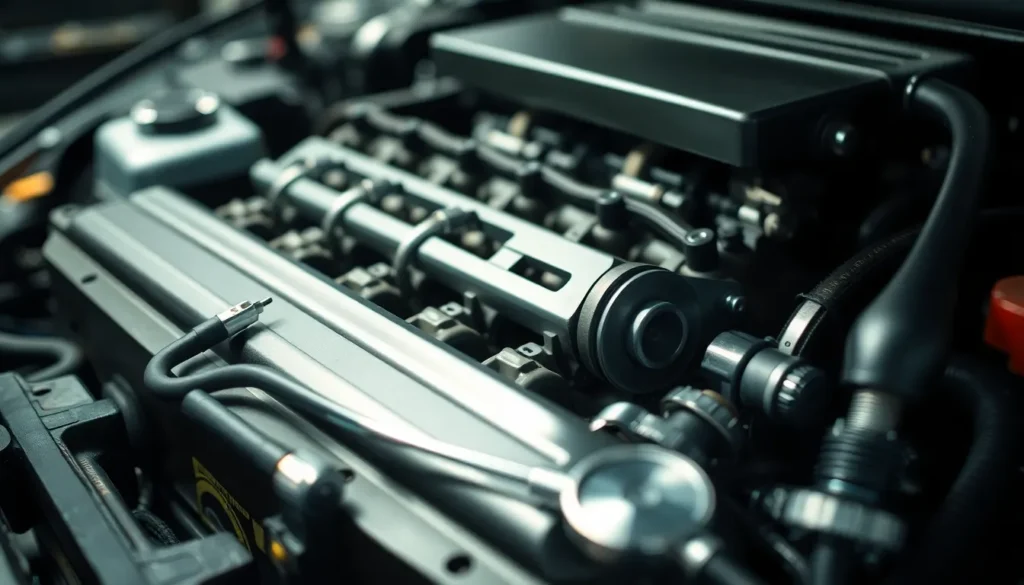
There’s nothing quite like the sound of an engine purring like a kitten—until that purring turns into a ticking that sounds more like a metronome gone rogue. If your car’s engine has started to tick while idling, it might just be trying to audition for a role in a horror movie. But fear not, this isn’t the start of a scary tale; it’s a common issue that many drivers encounter.
Understanding Ticking Sound in Engine While Idling
Hearing a ticking sound in an engine while idling can raise concerns for drivers. This noise often originates from various sources. Common causes include issues with the valvetrain, oil flow, or even accessory components.
Valvetrain noise usually arises from insufficient lubrication. When oil levels drop, lifters may not receive enough pressure, leading to a ticking sound. It’s essential to monitor oil levels regularly to prevent these issues.
Another potential cause is an exhaust leak. In some cases, exhaust manifold gaskets deteriorate, creating a ticking noise as gases escape. Identifying this problem usually requires a visual inspection during routine maintenance.
Loose or worn accessories may also create ticking sounds. Components such as alternators, water pumps, and belts can wear out over time, resulting in unusual noises while idling. A mechanic often checks these parts for wear or damage.
Timing chain or belt problems can produce significant ticking sounds. As these components age, they may stretch or develop slack, which creates noise during engine operation. Regular checks of the timing components can help catch issues early.
It’s important for drivers to note that not all ticking sounds indicate severe problems. Mild ticking may be a normal characteristic of certain engines. Understanding the differences between harmless and alarming sounds aids in proper vehicle maintenance.
Drivers should schedule a professional inspection if the ticking persists or worsens. Early detection of potential issues can save time and money on repairs.
Common Causes of Ticking Noise

Ticking noises from an engine while idling can stem from several causes. Identifying the issue quickly helps prevent further damage.
Low Oil Levels
Low oil levels can lead to insufficient lubrication of essential engine components. When oil isn’t circulating properly, it can cause ticking as metal components rub together. Checking oil levels regularly ensures the engine runs smoothly. Drivers should top off or change oil if levels are low. Ignoring this issue may lead to significant engine wear or damage over time.
Faulty Valvetrain Components
Faulty valvetrain components can also create ticking sounds in the engine. Wear or damage to parts like lifters or pushrods can prevent proper movement, causing noise. A malfunctioning timing chain or belt might cause similar symptoms. Inspecting valvetrain components often reveals issues that, when addressed, can restore normal engine function. Timely repairs mitigate the risk of larger complications.
Worn Engine Bearings
Worn engine bearings may contribute to ticking noises during idle. As bearings wear out, they create space that leads to increased clearance and abnormal movement. Consequently, this can produce a distinct ticking sound. Regular maintenance checks help identify bearing wear early. Replacing worn bearings is crucial to maintain optimal engine performance and prolong the engine’s lifespan.
Diagnosing the Issue
Diagnosing the ticking sound in an engine while idling requires careful attention and systematic evaluation. Identifying the source accurately contributes to timely solutions.
Listening Techniques
Utilizing listening techniques plays a crucial role in diagnosing engine noises. Begin by starting the vehicle and allowing it to reach normal operating temperature. Next, focus on the sound’s location by moving closer to the engine. Distinguish between loud and soft ticking sounds; louder noises often indicate more serious issues. Isolate the source by using a mechanic’s stethoscope, which amplifies sounds. Recording the sound can also aid in discussions with professionals or in research. Inconsistencies during acceleration or deceleration may signal varying issues. Considering these factors helps in narrowing down the potential causes of the ticking sound.
Using Diagnostic Tools
Employing diagnostic tools enhances the precision of identifying engine problems. A code reader retrieves diagnostic trouble codes that might indicate specific issues. Using an oil pressure gauge confirms if oil pressure is within the recommended range. Sound level meters can measure decibel levels, providing further insights. Additionally, a mechanic’s stethoscope allows for pinpointing issues based on sound localization. Regularly checking the vehicle’s maintenance history also aids in recognizing patterns. These tools, combined with keen observation, streamline the diagnosis process.
Solutions and Remedies
Addressing a ticking sound in the engine while idling requires a systematic approach to ensure that any underlying issues are managed effectively.
Immediate Actions
First, check the oil level using the dipstick. Low oil can cause insufficient lubrication, leading to ticking noises. If levels appear low, add the correct oil type for the vehicle. Next, listen carefully for changes in sound when revving the engine. This can help isolate the issue. If the ticking persists, consider checking for loose accessories, like belts or pulleys. Tightening these components might eliminate or reduce the sound. Finally, running a diagnostic scan can uncover any error codes related to the engine, guiding further action.
Long-term Fixes
In the long run, regular maintenance plays a critical role in preventing ticking sounds. Set a schedule for oil changes based on the manufacturer’s recommendations. Using high-quality oil can significantly enhance lubrication. Additionally, inspect the valvetrain components, such as lifters and pushrods, routinely to catch wear early. A timing belt or chain’s inspection also becomes essential; if any signs of damage are spotted, replace it promptly. Worn engine bearings necessitate serious attention; replacing them can restore normal engine function. By staying proactive, drivers can maintain optimal engine performance and minimize the risk of ticking noises.
Addressing a ticking sound in the engine while idling is crucial for maintaining vehicle health. By understanding the common causes and employing effective diagnostic techniques, drivers can pinpoint issues early. Regular maintenance and monitoring oil levels play a significant role in preventing further complications. If the ticking persists or intensifies, seeking professional help ensures that any underlying problems are resolved promptly. Staying proactive can save time and costs while keeping the engine running smoothly.


