
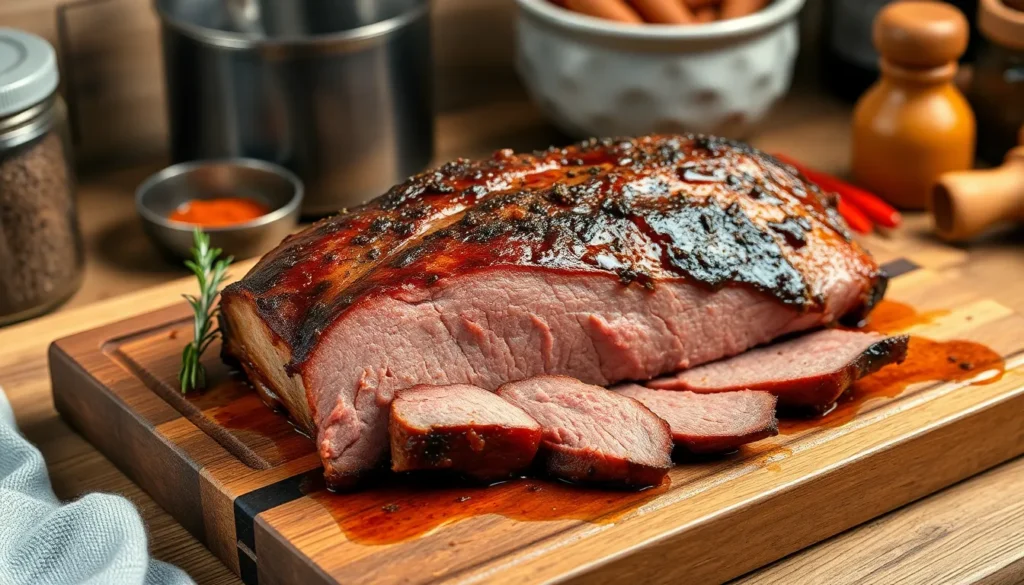
When it comes to brisket, the right temperature can make the difference between a mouthwatering masterpiece and a chewy disaster. Imagine biting into a perfectly cooked brisket that melts in your mouth, versus one that feels like you’re gnawing on a rubber tire. It’s a culinary gamble, and nobody wants to lose!
Understanding Brisket Cooking
Cooking brisket requires attention to temperature for optimal results. The ideal internal temperature for brisket lies between 195°F and 205°F. Within this range, collagen breakdown occurs, resulting in tender meat.
Cooking methods vary, including smoking, baking, or slow-cooking. Each method affects time and results. For example, smoking brisket typically takes between 1 to 1.5 hours per pound, depending on the cooker and desired smokiness.
Monitoring temperature is essential, as even slight variations can affect texture. Using a meat thermometer ensures accuracy. Placing the probe in the thickest part of the brisket helps gauge doneness accurately. Many pitmasters or experienced cooks utilize the “Texas Crutch,” wrapping the brisket in aluminum foil during the cooking process. Wrapping aids in moisture retention and enhances tenderness.
Resting brisket post-cooking is just as crucial as the cooking itself. Allowing the meat to rest for 30 to 60 minutes enables juices to redistribute within the fibers. Slicing too soon can result in dry brisket.
Flavoring brisket enhances the overall experience. Common seasonings include salt, pepper, and paprika, while brines or marinades can add depth. Experimenting with different flavor profiles tailors the brisket to personal tastes.
Understanding the science behind brisket cooking sets the stage for a successful dish. By adhering to temperature guidelines and employing effective techniques, one guarantees a flavorful and tender result.
Ideal Brisket Temperature
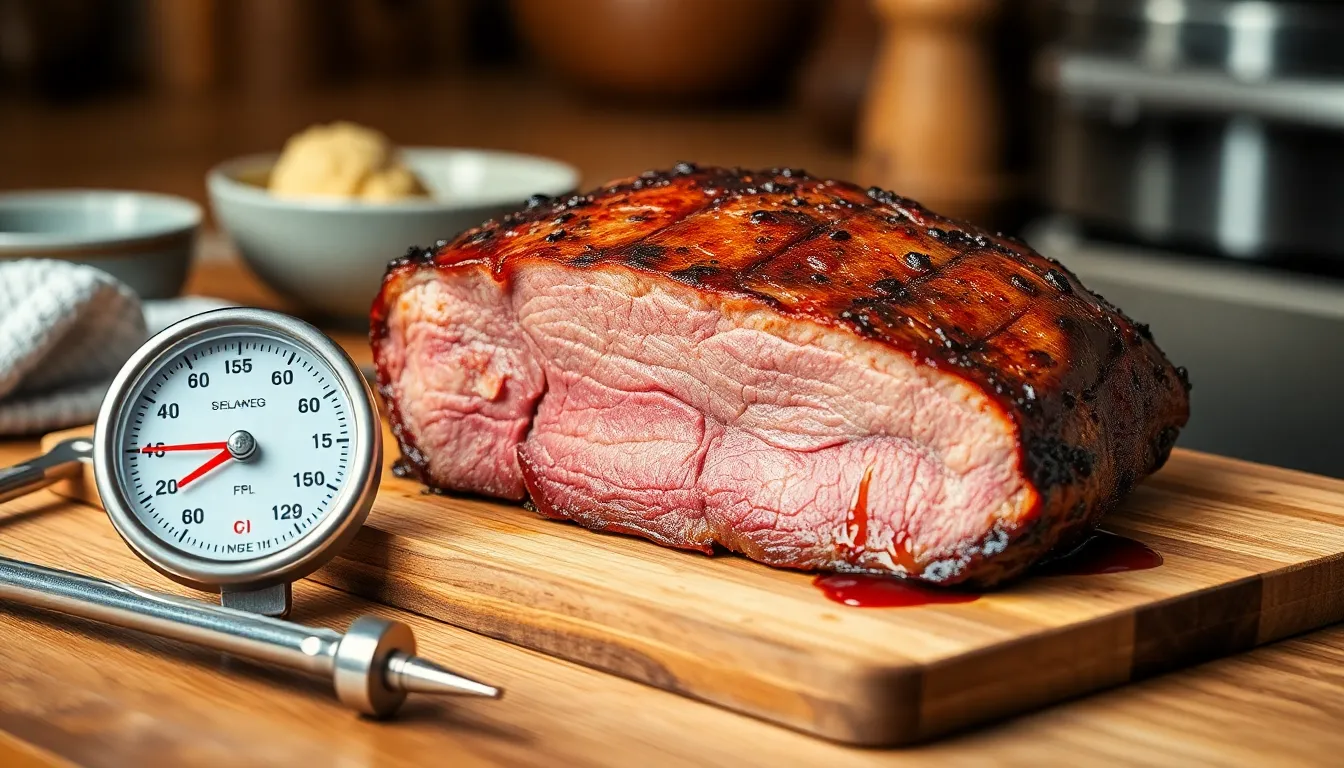
Understanding the ideal temperature for brisket ensures perfect texture and flavor. Aim for an internal temperature between 195°F and 205°F to achieve optimal tenderness.
Importance of Internal Temperature
Internal temperature significantly affects brisket’s texture and flavor. At temperatures between 195°F and 205°F, collagen breaks down effectively, leading to tender meat. Cooking below this range often results in a tough, chewy texture, while cooking beyond impacts moisture retention. Using a reliable meat thermometer provides accuracy and helps avoid these pitfalls. Regularly monitoring the temperature throughout the cooking process guarantees a successful outcome and enhances the overall brisket experience.
Carryover Cooking Effects
Carryover cooking alters internal temperature after removing brisket from heat. This phenomenon can raise the temperature by approximately 5°F to 10°F. Understanding this effect helps in timing the removal of brisket from heat sources. Resting brisket for 30 to 60 minutes allows juices to redistribute, enhancing moisture retention. Not accounting for carryover cooking can lead to overcooking and dryness, diminishing the quality of the meal. Awareness of these dynamics ensures a perfectly cooked brisket every time.
Tips for Perfectly Cooked Brisket
Achieving perfectly cooked brisket hinges on attention to detail. Utilizing tools and techniques effectively enhances flavor and tenderness.
Using a Meat Thermometer
A meat thermometer provides precise internal temperature readings. Position the probe in the thickest part of the brisket, avoiding fat and bone. Constantly check temperatures, especially as the brisket approaches the ideal range of 195°F to 205°F. Digital thermometers offer quick and accurate readings, ensuring cooks avoid overcooking or undercooking. Repeatedly monitoring temperatures allows for timely adjustments, leading to a successful cooking experience. He’s equipped with this tool; she can confidently know when to wrap or remove the brisket from heat.
Resting Period After Cooking
The resting period plays a crucial role in developing flavor and moisture. Allowing brisket to rest for 30 to 60 minutes helps redistribute juices throughout the meat. Wrapping brisket in foil during this time retains warmth and moisture. Temperature can rise by an additional 5°F to 10°F, benefiting overall texture. Resting not only enhances the final product but also makes slicing easier. Focus on patience, as this step significantly impacts the brisket’s tenderness and flavor.
Common Mistakes to Avoid
Avoiding common mistakes ensures a successful brisket cooking experience. Underestimating the importance of temperature control can lead to undesirable outcomes. Cooking brisket below 195°F often results in tough, chewy meat. Overshooting temperatures above 205°F affects moisture retention, leading to dryness.
Not using a meat thermometer frequently causes uncertainty. Placing the probe in the thickest part of the brisket provides accurate readings. Monitoring the temperature as it approaches the ideal range prevents overcooking.
Skipping the resting phase after cooking is another mistake. Resting brisket for 30 to 60 minutes allows juices to redistribute, enhancing tenderness. Wrapping brisket in foil during this time helps retain warmth and moisture.
Neglecting seasoning affects flavor profiles. Basic seasonings like salt and pepper elevate taste. Utilizing marinades or brining can add depth to the brisket’s flavor.
Failing to understand carryover cooking impacts final results. It can raise internal temperature by 5°F to 10°F post-cooking, so timing matters. Planning for this effect aids in achieving the perfect texture.
Last but not least, rushing through the cooking process detracts from quality. Low and slow methods yield the best results, allowing collagen to break down. Patience during cooking translates into a tender, flavorful brisket that brings satisfaction.
Achieving the perfect brisket requires attention to detail and a firm grasp of temperature control. By ensuring the internal temperature hits between 195°F and 205°F cooks can unlock the tender, flavorful meat that everyone craves.
The importance of allowing the brisket to rest cannot be overstated. This step is crucial for redistributing juices and enhancing the overall eating experience.
With the right techniques and a reliable meat thermometer in hand anyone can master the art of brisket cooking. Patience and precision are key to transforming a tough cut into a mouthwatering masterpiece.


