
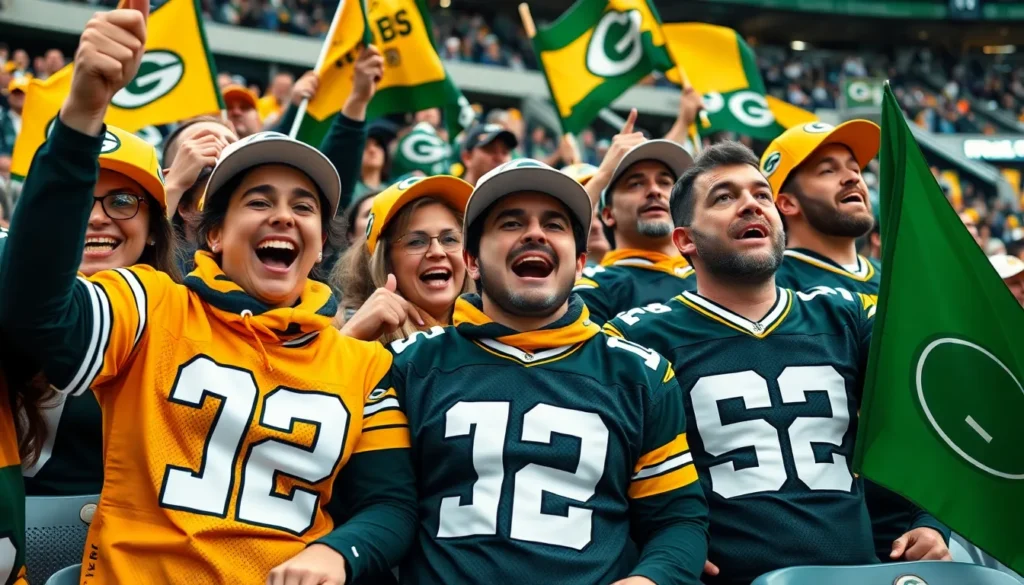
When it comes to the Green Bay Packers, ownership is as unique as a cheesehead at a football game. Unlike most teams, the Packers are publicly owned, meaning thousands of fans hold shares in the franchise. That’s right—while other teams are owned by billionaires with private jets, the Packers have a community of shareholders who can proudly say they own a piece of the action.
This quirky ownership structure not only sets the Packers apart in the NFL but also creates a bond between the team and its devoted fans. It’s a story of loyalty, passion, and a sprinkle of Midwestern charm. So, who really owns the Green Bay Packers? Let’s dive into the fascinating world of fan ownership and explore how this beloved team became a symbol of community spirit and dedication.
Overview of the Green Bay Packers
Green Bay Packers represent a rare model in the professional sports landscape. Unique in their ownership, they boast a structure consisting of over 360,000 shareholders. This significant number of fans collectively owns the team, a feature not shared by most National Football League franchises. Community ties form the backbone of the franchise identity, fostering a deep sense of loyalty among fans.
Fans purchase shares during public offerings, contributing to the team’s funding without the expectation of financial returns. Each shareholder has a voice in team decisions, from electing board members to participating in annual meetings. This democratic approach strengthens community engagement and keeps fans invested in the franchise’s success.
Founded in 1919, the Packers experienced a rich history marked by numerous championships, including four Super Bowl victories. Winning titles enhances the team’s stature and cements its status as a beloved institution in Green Bay and beyond.
Strong traditions, such as the Lambeau Leap and the annual shareholders meeting, define the organization. These rituals not only attract fans but also create a unique atmosphere on game days at Lambeau Field. Pride in this heritage fosters a loyal following, with many fans passing down support through generations.
The ownership model guarantees that profit motives do not overshadow community interests. Instead, it emphasizes the values of teamwork and dedication, characteristics that resonate both on and off the field. This approach makes the Packers not only a football team but a symbol of community pride.
Ownership Structure
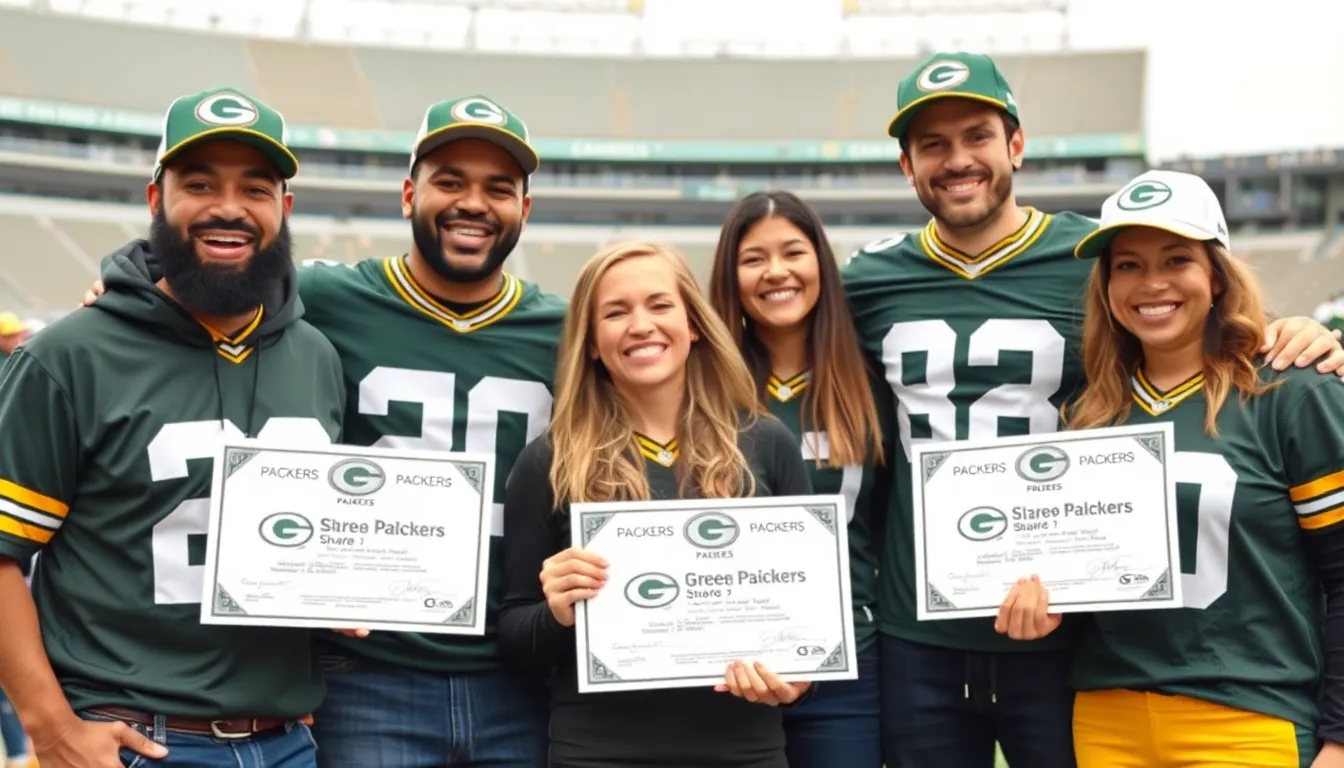
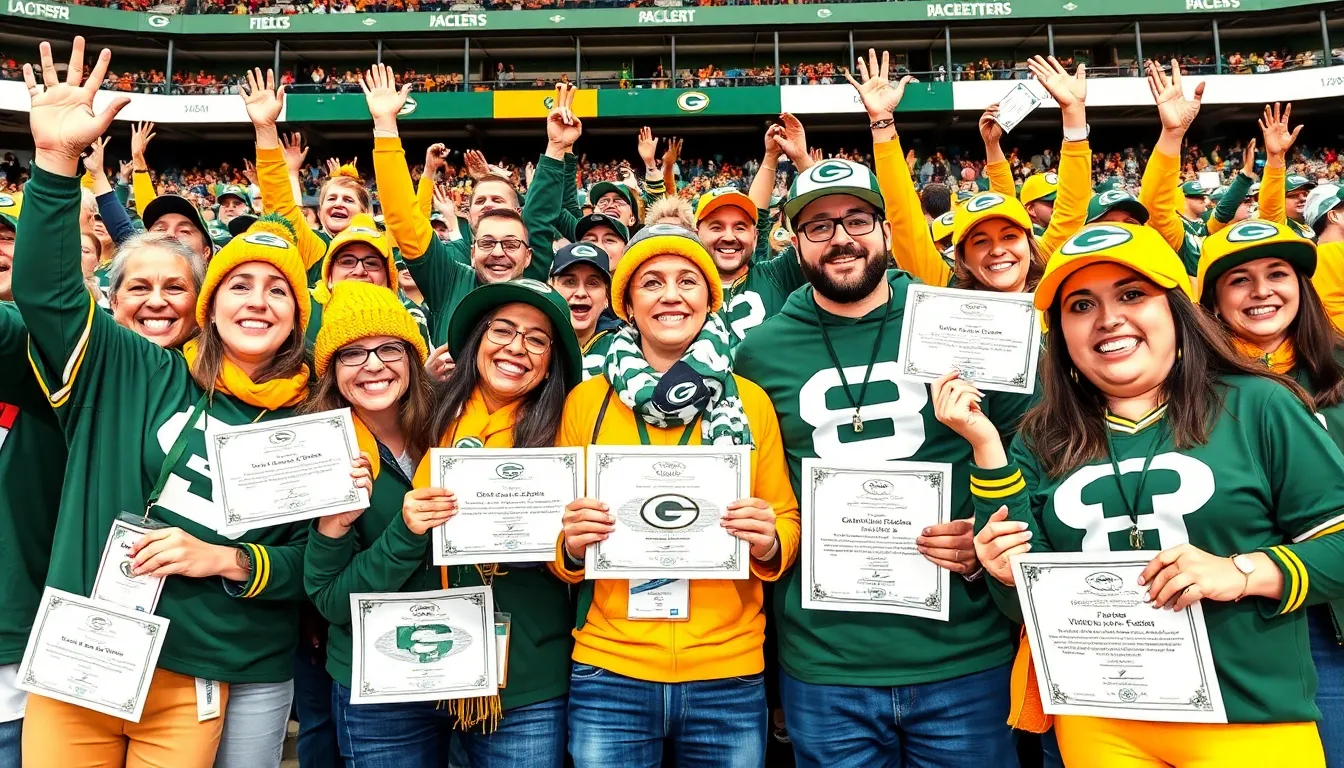
The Green Bay Packers feature a distinctive ownership model characterized by public ownership. More than 360,000 fans hold shares of the team, an arrangement that sets the Packers apart from typically privately owned NFL franchises.
Public Ownership Model
This public ownership model empowers fans to purchase shares during designated offering periods. Fans invest in the franchise without anticipating financial returns, prioritizing their connection to the team over monetary gain. Each shareholder gains a voice in team decisions, fostering community involvement and engagement. The Packers’ unique structure not only enhances fan loyalty but also creates a collective sense of responsibility towards the team’s success. Shareholders attend the annual meeting to discuss team matters, ensuring transparency and inclusion.
Unique Aspects of Packers Ownership
Ownership remains a symbol of community spirit and loyalty for the Packers. Unlike other franchises, shareholders do not seek profit; their investment reflects their commitment to the team. Traditions like the Lambeau Leap and events like the annual shareholders meeting highlight the strong bonds within the fanbase. This shared ownership creates an inclusive atmosphere, making the Packers synonymous with teamwork and dedication. Community values guide decisions, keeping profit motives at bay and solidifying the franchise’s standing as a cherished institution.
Historical Context
The Green Bay Packers boast a distinctive history marked by their unique ownership model and passionate fanbase. Established in 1919, the team quickly became a cornerstone of community spirit in Green Bay, Wisconsin.
Founding and Early Years
The Packers emerged from the dreams of Earl “Curly” Lambeau and George Calhoun. Lambeau secured funding from the Indian Packing Company, enabling the team to purchase uniforms and equipment. Early successes on the field helped build a strong local following, leading to the first public stock sale in 1923. Fans flocked to purchase shares, signaling a commitment to support their team. By 1936, the Packers secured their first NFL championship, solidifying their place within the league and the hearts of the community.
Evolution of Ownership
The ownership structure of the Packers evolved to include multiple rounds of stock sales. After the initial offering in 1923, additional sales appeared in 1935, 1950, and 1997, allowing fans to invest in the franchise. These efforts not only generated funds for operational stability but deepened fan engagement. When the team announced its 2011 fundraising campaign, it attracted over 268,000 shareholders, reinforcing the bond between the franchise and its supporters. By embracing public ownership, the Packers reaffirmed their commitment to community values over traditional profit motives.
Current Ownership Situation
The Green Bay Packers stand out in the NFL due to their unique public ownership structure. Over 360,000 fans hold shares, creating a deep connection between the team and its supporters.
Shareholders and Their Role
Shareholders comprise a diverse group of passionate fans. Each shareholder has a voice in the team’s decisions, contributing to an annual meeting where team matters are discussed. This democratic process fosters community engagement and ensures that fans feel invested in the franchise’s success. Historical stock sales, especially in 1923 and 2011, further enriched this bond. Ultimately, ownership provides a sense of loyalty and belonging among fans, making them essential stakeholders in the Packers’ legacy.
Financial Implications of Ownership
Financially, ownership by thousands of fans impacts the team’s funding structure. Shareholders invest during public offerings but do not receive dividends. Instead, funds raised through share sales support various operational needs, including facility improvements and player contracts. The unique public ownership model ensures transparency and accountability, particularly at annual meetings where financial reports are shared. This structure allows the Packers to compete effectively while maintaining strong community ties, reinforcing the team’s identity as more than just a sports franchise.
Community and Fan Engagement
Public ownership creates a distinctive relationship between the Green Bay Packers and their fanbase. Over 360,000 shareholders participate actively in the franchise’s decision-making process. Each share purchased during public offerings represents a commitment to the team, highlighting the passion of local supporters. No dividends are paid, yet fans feel invested in the franchise, emphasizing loyalty and community spirit.
Traditions such as the Lambeau Leap foster a sense of camaraderie among fans. Game days transform into communal gatherings celebrating shared experiences. Engaging shareholders during the annual meetings promotes transparency and accountability. During these meetings, key aspects of financial health and team operations are discussed, ensuring that every voice is heard.
The 2011 stock sale, which attracted over 268,000 shareholders, significantly reinforced this connection. Through collective investment, fans contribute to operational funding, including facility upgrades and player contracts. Ongoing support showcases deep-rooted community pride, making the Packers more than just a football team.
Various community events also encourage fan participation. Initiatives include charity drives, youth programs, and outreach efforts that strengthen ties to the community. As a result, fans feel directly involved in the team’s journey and continued success. This cooperative model enhances both engagement and strategic decision-making, aligning the franchise with its supporters’ interests.
Packers’ ownership embodies a commitment to community values over profit motives. The franchise stands as a beacon of collective responsibility and pride, drawing on its unique status to unify fans. Active involvement fosters a perpetual bond between the team and the city, ensuring a legacy built on shared passion and commitment.


